
Youyunpu Optoelectronic Tech
Name:Lylali
Tel:+86 19157135090
Email:lylali2551@163.com
Address:Oulong Science and TechnologyPark,Jinma Road,Weifang City,Shandong Province,China


Name:Lylali
Tel:+86 19157135090
Email:lylali2551@163.com
Address:Oulong Science and TechnologyPark,Jinma Road,Weifang City,Shandong Province,China

Source:Youyunpu Optoelectronic Tech 发布时间:2024-10-12 17:23:15
The flight ability and racing performance of racing pigeons are influenced by multiple genes. Racing pigeon flight ability detectors help breeders understand the genetic characteristics of racing pigeons through genotyping analysis, enabling more scientific breeding selection. By detecting key genes, breeders can not only optimize pairing strategies but also improve the racing performance of the pigeons.
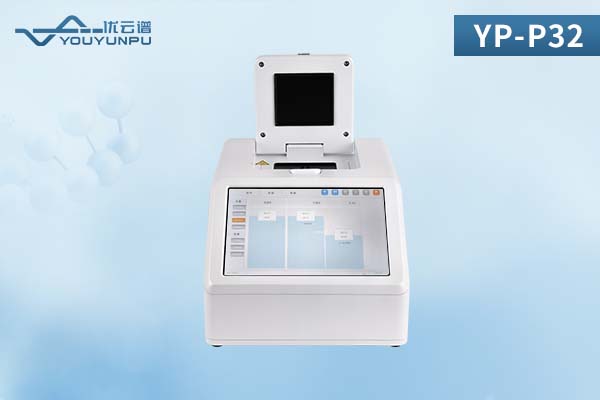
Sex Identification and Genotype Analysis
The racing pigeon flight ability detector can accurately identify the sex of racing pigeons.
Sex is important initial information in the breeding process, as it not only affects pigeon pairing strategies but also has a potential impact on racing performance. In addition, the detector can provide multiple genotype information related to the flight ability of racing pigeons, including homing ability, flight endurance, navigation ability, and more.
Homing Ability Gene (DRD4) Identification
Homing ability is crucial for racing pigeons, and it is closely related to the DRD4 gene. By detecting the DRD4 gene of racing pigeons, breeders can understand their innate homing talent and select pigeons with strong homing ability genes for breeding, thereby improving the homing performance of their offspring.
Flight Endurance Gene (LDHA) Identification
The LDHA gene is closely associated with the flight endurance of racing pigeons. This gene helps pigeons maintain efficient energy utilization during long-duration flights. By detecting the LDHA gene, the racing pigeon flight ability detector assists breeders in screening pigeons with excellent flight endurance, which is particularly important in long-distance races.
Navigation and Circadian Rhythm Gene (CRY1) Analysis
A racing pigeon’s navigation ability and circadian rhythm regulation directly affect its flight performance in different environments and time periods. The CRY1 gene controls circadian rhythms. By detecting this gene, breeders can select pigeons that adapt better to changes in circadian rhythms for breeding, thereby improving their navigation performance under complex flight conditions.
Muscle and Feather Structure Genes (MSTN and F-KER) Identification
Flight ability is not only related to endurance but also closely linked to a pigeon’s muscle and feather structure. By detecting the MSTN gene, the racing pigeon flight ability detector analyzes the pigeon’s muscle development capacity, helping breeders select pigeons with stronger muscles. The F-KER gene is associated with feather strength and structure, aiding in the selection of racing pigeons with more powerful wings.
Intelligence and Overcast/Rainy Weather Orientation Genes (CASK and GSR) Identification
Intelligence is a key factor for rapid decision-making by racing pigeons in complex environments, and the CASK gene is related to pigeon intelligence. By identifying this gene, breeders can select more intelligent pigeons to enhance their performance in complex flights. Meanwhile, the GSR gene is associated with a racing pigeon’s orientation ability in overcast and rainy weather, which is particularly important in races with variable weather conditions.
Conclusion
Through genotyping analysis, the racing pigeon flight ability detector provides breeders with a scientific basis, making breeding decisions more reliable and effective, and thus cultivating racing pigeon offspring with stronger competitiveness.
Article Address:https://www.molbioinst.com/gsxw/245.html

High-Throughput Fluorometer
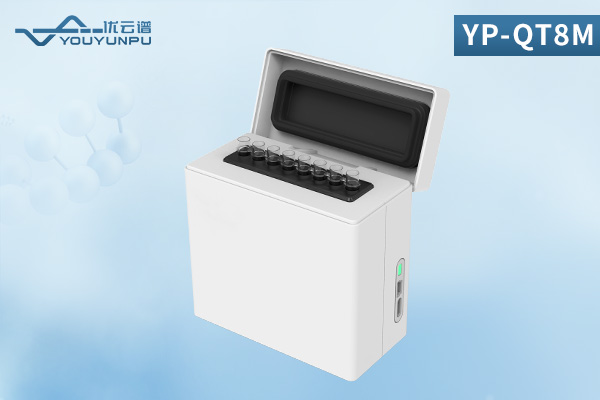
Multi-channel Fluorometer

Portable Fluorometer
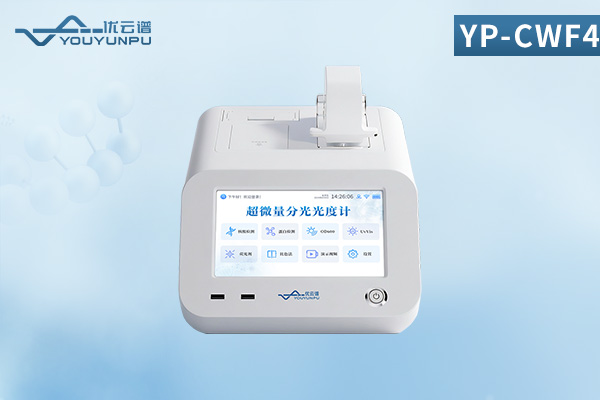
Nucleic Acid & Protein Concentration Analyzer
Microbial Limit Filtration System Manufacturer Recommendation: Youyunpu Guards the Cleanliness Bottom Line of Experiments with High Efficiency and Reliability
2026-02-02Which brand is good for microbial broth concentration meters? Youyunpu D600 leads a new research experience.
2026-02-02Youyunpu Fluorescent Quantitative PCR Detector Manufacturer Analysis: How Does the Technical System Support Stable Nucleic Acid Detection?
2026-02-02Full-Wavelength Microplate Reader: An All-Round Spectral Analysis Platform for Insight into the Microscopic World
2026-02-02Brand Recommendation for Handheld Portable Fluorometers: Youyunpu Fluorometers Enable Accurate and Rapid Detection
2026-02-02How Does a Real-Time Quantitative PCR (qPCR) Detector Work? Principles and Applications in One Article
2026-02-02Automatic Colony Analyzer: An Intelligent Solution for Modern Microbiology Laboratories
2026-02-02Which brand of full-wavelength microplate reader is good? Youyunpu leads new scientific research standards with precision and efficiency.
2026-02-02